Plastic and the Economy

Recently, the New Plastic Economy has been a hot topic. Addressing the global issue through clean-ups just isn’t enough anymore – more measures have to be taken.

The 2016 and 2017 New Plastics Economy reports captured worldwide headlines and became global reference points. They have played an important role in shifting the global debate on plastics, mobilizing a systemic shift towards the common vision for a circular economy for plastic, with industry commitments, government policies, and increased public awareness reinforcing each other on the path to making it a reality.”

Npec 2020 Vision

The project is making an effort in order to reinvent our idea of how plastic is used. They are using extremely wise techniques which successfully engage individuals in the art of elimination, innovation and circulation. Moreover, the UN Environmental Program supports the optimistically surprising and ambitious idea!

Applying such economic principles could potentially reduce many negative externalities such as leakages into the ocean. Although the plan requires a lot of sacrifice from unconsciously addicted to plastic mankind, when the objectives are achieved, plastic will never become waste. Such a transition requires systematic approach and dedication from people like you – please get involved!

The producers of the mentioned project propose a roadmap for humanity and provide us with a brand new vehicle ready to conquer the pleasant, but long road ahead. If you are hesitating whether to jump into such a car or motorcycle – please visit https://www.newplasticseconomy.org/ to find out more.

Also, we advice you to watch these extremely informing TedTalk by a green energy activist – Van Jones!

Plastic in the ocean

In one of our last post in Fast Fashion them, we mentioned a little about Great Pacific garbage patch, but in this post we will get into it.

The effects of one-time use and subsequent disposal of plastic packaging are already visible everywhere on the coasts of the seas and oceans. About 50,000 tons of plastic bags that go into the ocean every year kill over a million sea birds and one hundred thousand sea mammals. And even according to one assessment, by 2050 there will be more plastic in the oceans than fishes. And why does this garbage affect fishes and marine mammals?

Answer: Most often they confuse them with food.

Example: Sea turtles confuse them with jellyfish, which are their main food. They swallow them and then die. It happens that due to swallowing too many plastic bags, even pounding dies.

„One thing is certain: it cannot go on this way. We cannot clean the oceans from the plastic waste already in them, so we need to take countermeasures and quickly and effectively reduce further plastic inflow.”

Dr Christian Schmidt

Environmental consequences

On average, a person uses a plastic mesh about 12 minutes and then throws it into the trash, but what happens to it? And what about the other single-plastic products you’ve ever wondered?

It turns out that most of these products end up in the stomachs of animals, which is later the reason for their death. Above, I gave you examples of how animals confuse them with other things. However, this problem affects not a few but many species of birds and mammals living in the seas and oceans, which is why it is so important. According to UN and many others, more than a million animals die every year in the oceans. If you are still buying disposable plastic products and after u throw from into the bin, think twice, each thrown can cause the death of a creature that can be easily avoided.

We must stop thinking that the garbage disappears when we get rid of it.

However, this is not the end of our worries, marine litter causes financial losses in sectors and communities dependent on marine resources, but also among producers. Only 5% of the value of plastic packaging remains in circulation – the rest is literally thrown away.

What should WE do?

One of the best solutions is to limit the purchase of disposable plastic products (primarily such as: plastic cutlery, bottles and cotton buds) and to prevent even more plastic from entering the oceans.

Recycling plastic is crucial

Image result for plastic recycling

I am sure you already have great knowledge about recycling, but just to make sure:

Recycling is a process of converting waste into reusable material.

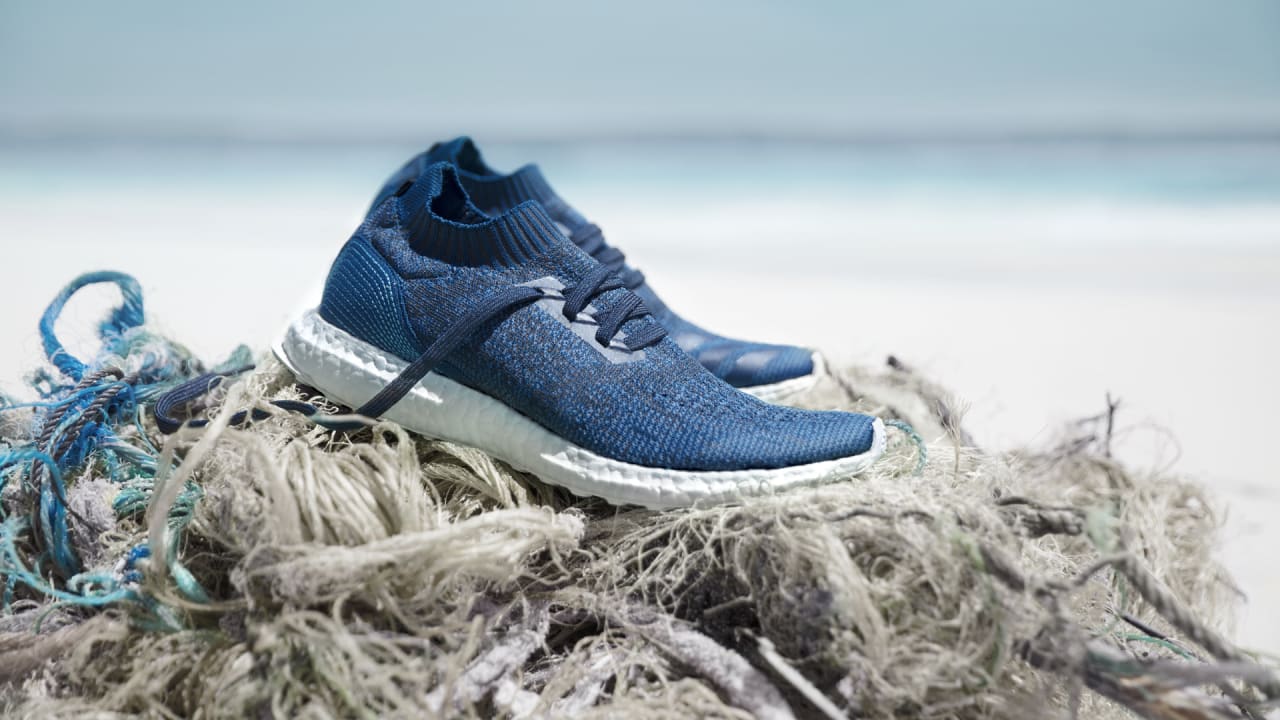
Did you know, that it takes only about 10 bottles to make enough plastic fiber to make a cool new t-shirt? Yes, that is not fake information. Also, keep in mind, that an average person should drink at least 1,5 litters of water per day. That is approximately 3 bottles.

So why is it so important to recycle?

In one of our latest posts, called ‚Plastic in Fashion Industry and the Havoc It Causes‚, you’ve learnt how much damage plastic pollution can cause to our whole environment, including animals and humans. Recycling is a savior to our beautiful planet. Thanks to it, we can reuse plastic scraps to make new clothes, milk jugs or even picnic tables! All we require is businesses to invest in the development of this exact way of producing innovative products.

How does the process of recycling look like?

I encourage you to watch this short video, especially if you ever find yourself wondering how it all works. Trust us – it’s not as complicated as it may seem to be. Once sorted, the plastics are chopped up into small pieces and chunks. These are then cleaned to further remove debris like paper labels, residue from what was inside the plastic, dirt, dust, and other small contaminants. After the whole process, the material is ready to be reused!

Benefits of recycling

It reduces energy usage, water pollution and the air pollution from land filling with rubbish and significantly lowers greenhouse gases emission. These are only a few examples!

How much does it cost to recycle?

Recycling plastic isn’t a big deal if it comes to the price in comparison to the surprising benefits of doing so. To provide you with a specific number: The spectrum of prices stands from $50 to $150 per tone.

Image result for happy earth

Hey, be good to our planet! Do you want to make a change? Segregating your home trash is the first step to take. It costs you nothing and can significantly change the future of our world.

Substituting Plastic in Daily Life

We all heard about the problems plastic is causing on our planet – but what do we do if we want to help the world? Many simply don’t know how to act in order to be a positive influence to the world, rather than a negative one. Youth For The Planet is here to guide you!

Avoiding plastic can be pretty challenging , but finding alternatives becomes easier once you know what exactly you’re looking for! I encourage you to watch this video – it will make you realize how severe of a problem we’re dealing with!

Wood & PAPER

Replace your plastic cleaning brushes, kitchen utensils, cutting boards, coffee cups, toothbrushes and more with items made of wood or paper! Just make sure the renewable resource comes from sustainably managed forests. Deforestation will not be an issue if the plantation are controlled correctly.

Natural Fiber Clothing

Cloth can always replace plastic bags. Next time you’re heading out to the grocery store, make sure to grab a few bags from home! This will not only save you a few cents, but also positively impact the planet.

Clothing made from organic cotton, wool, hemp, or bamboo won’t shed plastic fibers when washed. Here are some companies that will be healthy alternatives to wear against your skin & for the planet:

  • Prana (100% organic cotton usage in all clothing items)
  • Thought Clothing (organic cotton, bamboo, hemp, modal and tencel clothing)
  • Pact Clothing (Certified organic cotton + it’s fair trade certified!)

Bamboo

This one might be surprising for some as it isn’t very popular but indeed, we can replace plastic with bamboo! It’s a highly renewable natural material that has antibacterial properties and is biodegradable!

Often called the „green gold”, bamboo is actually a grass! It is extremely durable and produces 35% more oxygen than other similar plants. On top of that it almost never needs replanting! Not only does bamboo benefit our planet in the long-run, it works amazingly around the house! We advise you to check out these products:

  • Bamboo serving tray
  • Disposable bamboo toothbrush
  • Bamboo drinking straws
  • Bamboo sheets
  • Bamboo phone cases

The examples mentioned above are only a few of numerous ways to reduce the usage of plastic in every day life. Once you become more informed on the topic, it isn’t that hard! In fact, in many cases alternatives can make life easier. Here’s my challenge for you – ditch the plastic bags and start using plastic-free beverage containers! Everything starts from something. One step at a time, help us save the planet 🙂

How could we let this happen?

It is a complete madness out there. Australian forests have been burning for a couple of months and they don’t seem to stop. At the moment, after summing up every single region of Australia, total destruction reaches 6 million hectares. Moreover, because of fire 20 people lost their lives and 17 are still missing. The worst thing is, that about 500 million animals died. Probably some species extincted. We will not be able to revive them, for sure in our times, maybe in the future. Firefighters can’t win with this fire. Only rain can stop it, but it won’t occur probably until the end of January. This is one of the biggest ecological catastrophies of our times and our authorities should not have let it happen. Climate changes and problems conected to them are real, everyone needs to understand that and start doing better if not for the Earth, then for our future!

Plastic in Fashion Industry and the Havoc It Causes

Image result for plastic in fashion industry

We, modern people, often focus only on the appearance of clothing. I think that the inside of clothing is as important as the outside. About 60 percent of material made into clothing is plastic, which includes polyester, acrylic and nylon textiles. These synthetic fabrics are lightweight, durable, affordable and flexible which is good for both sides – the customer and producer. Unluckily, the usage of plastic brings more than just benefits. Here’s the catch: every time clothing is washed, it sheds tiny plastic fibers called microfibers, a form of micro plastics —tiny pieces up to five millimeters in size. Those micro plastic forms are slowly degradable which is obviously tragic for the environment, humans, animals and whole ecosystem in general.

Why are different forms of plastic pollution a problem?

For Human

Image result for humans and plastic pollution

As you probably know, we eat lots of plastic every single day. In my opinion, many people are oblivious of that. A new study in the journal Environmental Science and Technology says it’s possible that humans may be consuming anywhere from 39,000 to 52,000 micro plastic particles a year. Obviously, it injures our bodies. Studies are not sure yet how much of micro plastic our body can tolerate. Nevertheless, it is certain, that plastic contains chemicals. Depending on the type of plastic, the chemicals it contains are different. Some are much more poisoning, some are less. A Study made in King’s College in London proved that over-dosage of toxins in our body can have a negative impact on our whole immune system. We are in big danger of getting sick.

For an Animal

Image result for animals and plastic pollution

Animals suffer similarly to us. Chemicals in plastic are the main reason of many deaths concerning mostly marine species. The size of the animal doesn’t matter – even largest whales can be negatively affected by plastic. Ingestion of plastic or entanglement results in more than 100 million deaths every year (that we are aware of). At the moment there are more than 51 trillion plastic pieces in the ocean. That’s 51 trillion deadly hazards that animals need to avoid, which is often impossible. In addition, many of the animals get into abandoned nets, bags or even fishing supplies that are left by fishermen (often not on purpose) from which they are unable to escape. After a certain period of time, they die from starvation or fatigue, caused by the unconquerable fight with a certain obstacle.

For the environment

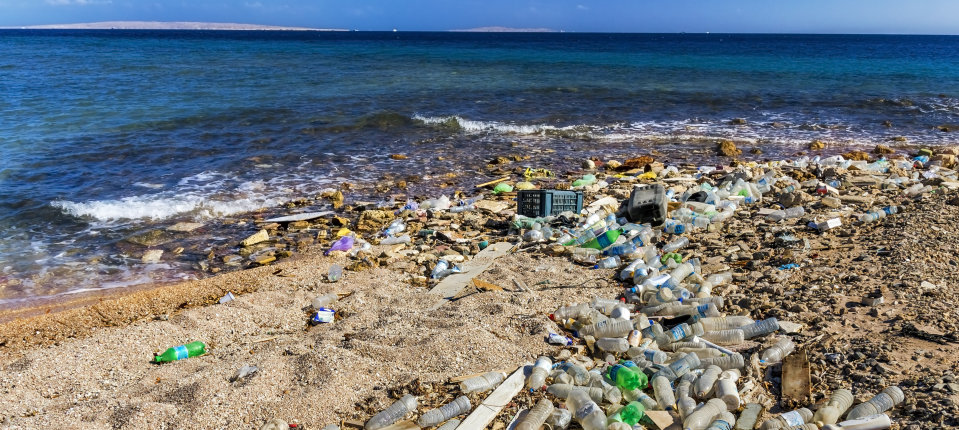
Image result for plastic pollution in the environment

Single used plastic trash is the main cause of such dumpsites as in the photo presented higher. Disposable plastics are used only once before they are thrown away or recycled. These can be: coffee stirrers, soda and water bottles, bags, straws and some of the food packages. The facts is that we produce roughly 300 million tons of plastic each year and only half of it is disposable!  World-wide only 10-13% of plastic items are recycled.

We shouldn’t stay passive!

We are the youth initiative, we can face these problems together. Get involved and help out! Let people know that this is a real ordeal. There is much to do if we want to keep the Earth survivable for future generations. Together, we are strong. Together, we can change anything.

What about Fast Fashion Economics?

After reading our blog posts, you should have already a lot of knowledge about Fast Fashion. However, do you know the economics of Fast Fashion? Before answering, I would like to explain something:

In the old consumer model, clothing was an investment. In 1900, Americans spent 20% of their income on clothing, but they had much less clothing. Until 2003, Americans spent 4% of their income on clothing, but bought a lot more.

Today, the economics of clothing is all about volume.

Zara

Fashion store chain Zara is a Spanish company belonging to the Inditex group (which has 2700 stores in over 60 countries). The beginning of this company dates back to 1963, but the biggest success was in 1984 – it opened its first logistics center, a 10,000-square-meter facility. Then the company expanded to Portugal, the United States, and France. It began to include more brands.

From that moment, the company has been on the rise. In 2004, the firm opened a 2000 store. Until 2010, the corporation had even 5,000 stores, and in 2014 Zara earned $19.7 billion.

One of the biggest accomplishments for such a company, but that’s all about Zara’s story. Now it’s time to answer the real question: How did the clothing company stand out from the others? How did it earn USD 19.7 billion?

Business model: a lot, CHEAPLY AND FAST

The success of such a business model depends on:
  • Low production costs. Therefore, you get low-paid employees, uncomfortable and unsafe working conditions. However, low costs are not enough to maintain this business model.
  • Speed ​​is also the basis. Zara does not wait with folded arms until all products are sold out and customers get bored with some fashion trends. Their voguish products are quickly exchanged in response to the fashion mood and the desire of customers to be „new”.
How is such a large network able to introduce a new trend in such a short time?

The answer is simple. No matter what company it is, most chain stores rely on producers in distant labor markets. This way, stores such as Zara can introduce this trend in their store from two to three weeks after designing the item.

This is how Zara achieved success on the market. Let’s not forget that Zara is the only example, there many more stores with a similar business model, for example H&M or Forever21. What connects them all? In my opinion, they all know that items must go to stores when customers want a fleeting trend that they represent, not months later. If they did not stick to this rule, I think most of those stores with such a business model would fall out of the market and would be torn apart by competitors.

However, despite criticism, fast fashion is still a strong economic performer and only time will tell if consumer spending patterns will return!

Slow Fashion – Fast Fashion’s Antagonist

I suppose that after reading previous posts you already have extensive knowledge about what Fast Fashion is. In this publication I would like to exhibit why Slow Fashion is a better option if it comes to almost every person’s favorite activity – purchasing clothes. However, firstly we need to know how Slow Fashion works and what it exactly is.

So what is Slow Fashion?

I would say that it is not only an approach to buying new garment but a kind of lifestyle as well. It focuses on producing exceptional, one of a kind, high-quality pieces of clothing. Thanks to the materials which are used in a process of making, clothes are characterized by long durability and sustainability. Unfortunately, as you probably guessed, the products come along with high prices.

Reasons for the superiority of Slow Fashion over Fast Fashion

From the beginning I want to focus on the topic of impact that Fast Fashion causes on the environment, as we are an ecological initiative. Did you know that the apparel industry alone produces 10% of the global carbon emissions? Moreover, about 8000 chemicals used in the production process, are often useless after all. Fabrics need to get rid of them somehow, so they let all of that mess right into our unfortunate environment. The other problem is that every day, many individuals pass away because of the overwhelming work they need to do for a living and chemical, murderous substances which are unavoidable in fabrics. That kind of problem occurs in many wretched Asian countries like: Vietnam, Bangladesh, India, Pakistan or Nepal. Another issue is all of the trash which is a result of abandoned pieces of clothing.

This is why Slow Fashion is an antidote for Fast Fashion: It is made by private swings, often local ones. The uniqueness of the clothing you buy is guaranteed.. Thanks to the high quality of cloths, they are sustainable and recyclable. In addition, you often have the opportunity of a conversation with a designer – ask how he/she managed to invent particular collection or where do the materials come from!

Everything is perfectly clear and the knowledge is easily accessible. Of course all of it comes with high prices, as I mentioned before, but in my opinion it is definitely worth it. Remember that you will have some real impact on the environment which is great!

Where do I buy Slow Fashion, you may ask

Actually, I would recommend You to search for brands on the internet. Mostly they have ordinary, typical shops as well. Well known brands in Poland, for example, are: Orsaka, Pat Guzik, Nago, Surplus, Szymańska and Wearso.organic. I would also like to add that you can take part in many events such as this one shown down below.

Slow Fashion 2017 Wrocław

This is Wroclaw’s 2017 Slow Fashion trade fair. Such events mostly take place on large rented areas in big cities like Warsaw, Cracow, Gdynia, Gdansk. Many Slow Fashion brands get together in one particular place to encourage people to buy their products. I think it is a great initiative as people may get to know designers, maybe have a little chat, try on some great stuff and perhaps decide to buy something worth the price. The condition of the environment is crucial for our future.

The Job of Marketing in Fast Fashion

As we all know, marketing is deeply connected to behavioral economics. Our decision-making is tracked and somehow formed into multiple patterns which retailers use to target their potential customers.

According to new research, the fast fashion industry has grown 21% over the past three years. The strategies used are composed of a few key ingredients such as:

  • Inspiration – most fast fashion campaigns are made so that they stir up wanted emotions in customers. They are usually designed to appeal to young, on-trend shoppers. It is extremely important to notice the techniques used and prevent manipulation. Models also often promote ideas such as inclusivity and luxury.

  • Social Media – Marketing is mostly used in the form of social media without which many young individuals can’t imagine their life. Brands such as Forever 21 or Zara create multiple accounts on platforms such as Instagram and Facebook (even Snapchat sometimes!) to reach clients. Visiting their websites is also usually connected to subscribing to a daily newsletter that highlights different outfit “edits” allowing shoppers to recreate the looks just as they please. Actions such as these naturally attract customers to the stores.

Most fast fashion brands pare their content mixes down to essentials, focusing heavily on visual media that pairs with product links.

These are only a few methods used by retailers to catch attention. We think it is extremely important to have the skill of identifying such tricks and being careful when it comes to coming in contact with products sold by fast fashion brands. Don’t get fooled!

Here is a brought to life example which should help you visualize everything we just talked about.

Zara is a fashion copycat.

Instead of trying to be fashion innovators and trying to capture early adopters, Zara approaches fashion with a different approach.

That approach: fast.

Zara rides what is currently hot and established to provide affordable copycat versions of high-end brands.

And to appease its teen and twenty something demographic, the store prides itself on getting new designs in stores within two weeks.

The strategy works — Zara has grown their overall sales by 50% in 5 years, reaching $17.5 billion in sales.

Nike’s marketing strategy starts with emotional storytelling and goes a lot further than advertising influencers. From ‘Just do it’ to Colin Kaepernick, Nike keeps raising the bar with evocative, memorable campaigns that tug at your heartstrings and stay in your head.

What is Fast Fashion?

Why fast fashion is a problem?

Let’s begin with the fact that, when we see a nice designer shirt or a trendy garment we absolutely need it, but let’s not forget that all those things are expensive and usually, a person can’t spend a couple of thousand dollars on a new fashion. So what would that person do? He would probably go to Zara, or H&M and find the next best thing for a cheap price. Good price and quality, so where is the problem?

The biggest problem is damage to the environment and for the earth. Millions of tonnes of clothes end up in landfill every year—it’s one of the fastest-growing categories of waste in the world. It is because people, who are buying a big number of clothes every month for a cheap price, they usually put them on 2-3 times and throw them out. There are many ways to solve that problem, but we decided to solve by micro-projects initiated by youth to take responsibility for our planet while raising awareness and empowering action.

Fast Fashion also has pluses.

According to the U.S. Congress Joint Economic Committee, the fashion industry brings 1.2 trillion dollars a year, with 250 billion dollars in the United States alone. Unfortunately, this big amount of money on clothes produces 150 billion items of clothing per year.

We encourage all of you to watch:
https://www.youtube.com/watch?v=StQ-cvnYLlg

Get informed and follow us on Facebook!

Zaprojektuj witrynę taką jak ta za pomocą WordPress.com
Rozpocznij